
Pregnancy can change how shoes fit and how comfortable standing feels. Gradual swelling and changing loading may make old footwear less suitable, but new symptoms still deserve attention rather than an automatic insole recommendation.
Shoe space may matter before support
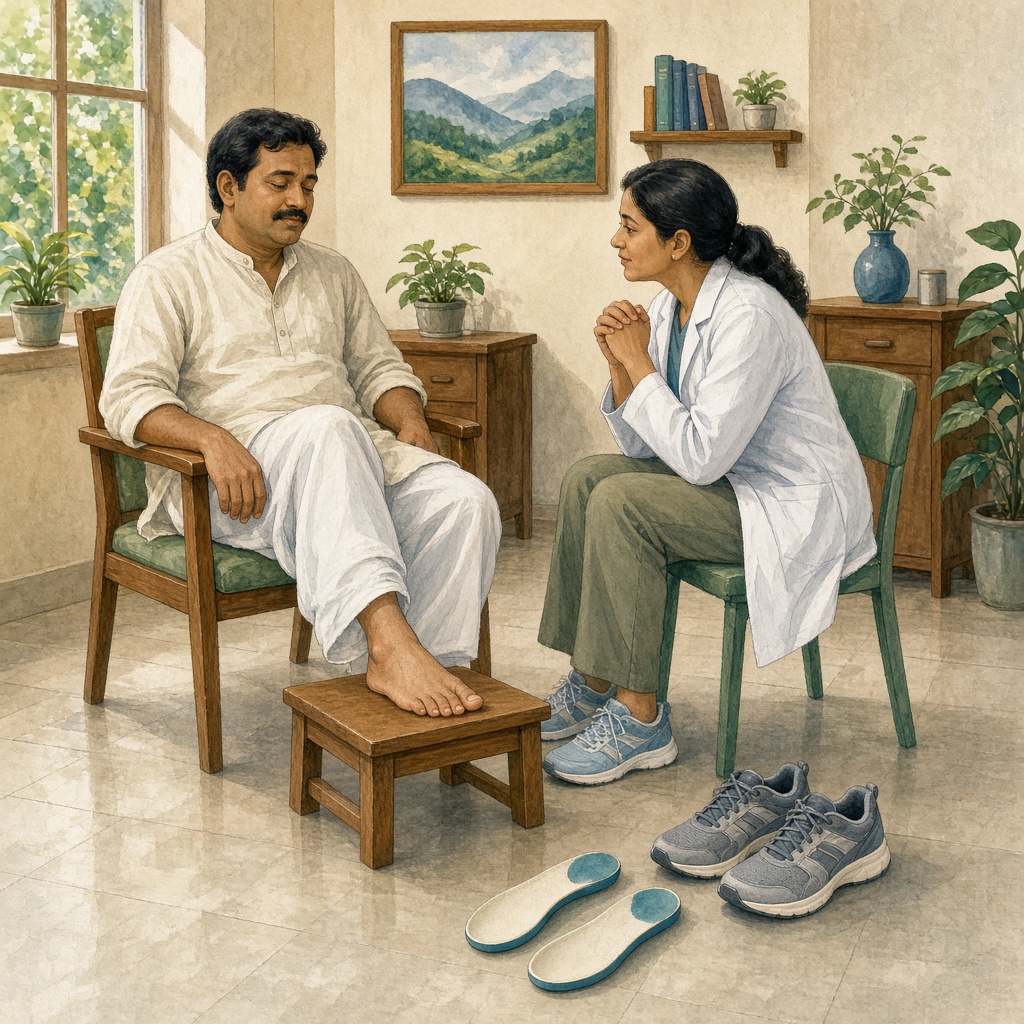
Feet may feel more crowded later in the day. Look for comfortable footwear and socks that do not pinch, and discuss appropriate activity and rest with your maternity clinician. A custom orthotic occupies space too; adding one to a tight shoe may worsen pressure. Explain when swelling occurs and bring the shoes you currently wear. A fitting needs to reflect your present situation rather than measurements taken before your shoes became uncomfortable.
Keep the maternity team involved
If an assessment suggests that support may help a particular discomfort, the plan should still account for changing needs during and after pregnancy. A permanent device is not necessary for everyone. Footscan describes loading during the measured task; it does not diagnose pregnancy complications or determine the cause of swelling. Any orthotic plan should complement appropriate medical care and sensible footwear rather than replace them.
Recognise symptoms that need prompt help
A sudden increase in swelling, especially with a severe headache, vision changes, upper abdominal pain or feeling very unwell, requires urgent maternity advice. A painful swollen calf, chest pain or breathlessness also needs urgent medical attention. Do not wait for an orthotic appointment to investigate these symptoms. For ordinary shoe-fit concerns, an individual review can help you decide whether a footwear change, temporary accommodation or prescribed support is appropriate.
Where Footscan and PHITS fit at P.O.R.C
P.O.R.C — Prosthetic & Orthotic Rehabilitation Clinic — has been serving since 1988. For people exploring custom insoles in Delhi, the clinic uses Footscan and PHITS 3D-printed insoles as part of an individual assessment pathway. A scan is not a diagnosis. It can add loading information to the clinical picture, but it does not by itself establish that you need an orthotic or predict the result.
If you are considering 3D printed orthotics in South Delhi or elsewhere in Delhi NCR, start with the problem you want help with rather than requesting a particular contour. Your symptoms, medical history, examination, footwear and activities help determine the next step. The team may discuss a prescribed device, simpler support, footwear changes, rehabilitation or a medical referral. Outcomes vary, and no insole should be presented as a guaranteed cure.
Read about Footscan and custom insoles before your visit. For local access, see Apollo Sarita Vihar. P.O.R.C also has branch information for Safdarjung Enclave, Apollo Sarita Vihar and BLK-Max. Confirm the appointment location and service arrangements with the clinic; a branch page is not a promise of walk-in availability.
A useful next step
Before a consultation, write down the one activity you most want to do more comfortably and the question this guide raises for you. Ask the clinician to relate any proposed prescription to that goal. Keep a note of agreed instructions so you can describe your experience accurately at follow-up. Do not adjust the device yourself if the plan is unclear; contact the treating team for advice.
Short FAQ
Does every pregnant person need custom insoles?
No. The decision depends on symptoms, examination, shoe fit and the wider maternity care plan.
Can a Footscan explain every cause of foot pain?
No. Pressure information is one part of an assessment. Some symptoms need medical examination or other investigations before an orthotic is considered.
What should I bring to a review?
Bring the shoes and socks you actually use, your current inserts if any, relevant reports and a short account of your symptoms. Ask about the intended goal, alternatives, care instructions and follow-up before committing to a device.
This article is general education, not a diagnosis or personalised treatment advice. Seek prompt medical help for severe or sudden symptoms, a wound, or a hot swollen foot, especially with diabetes or reduced sensation.