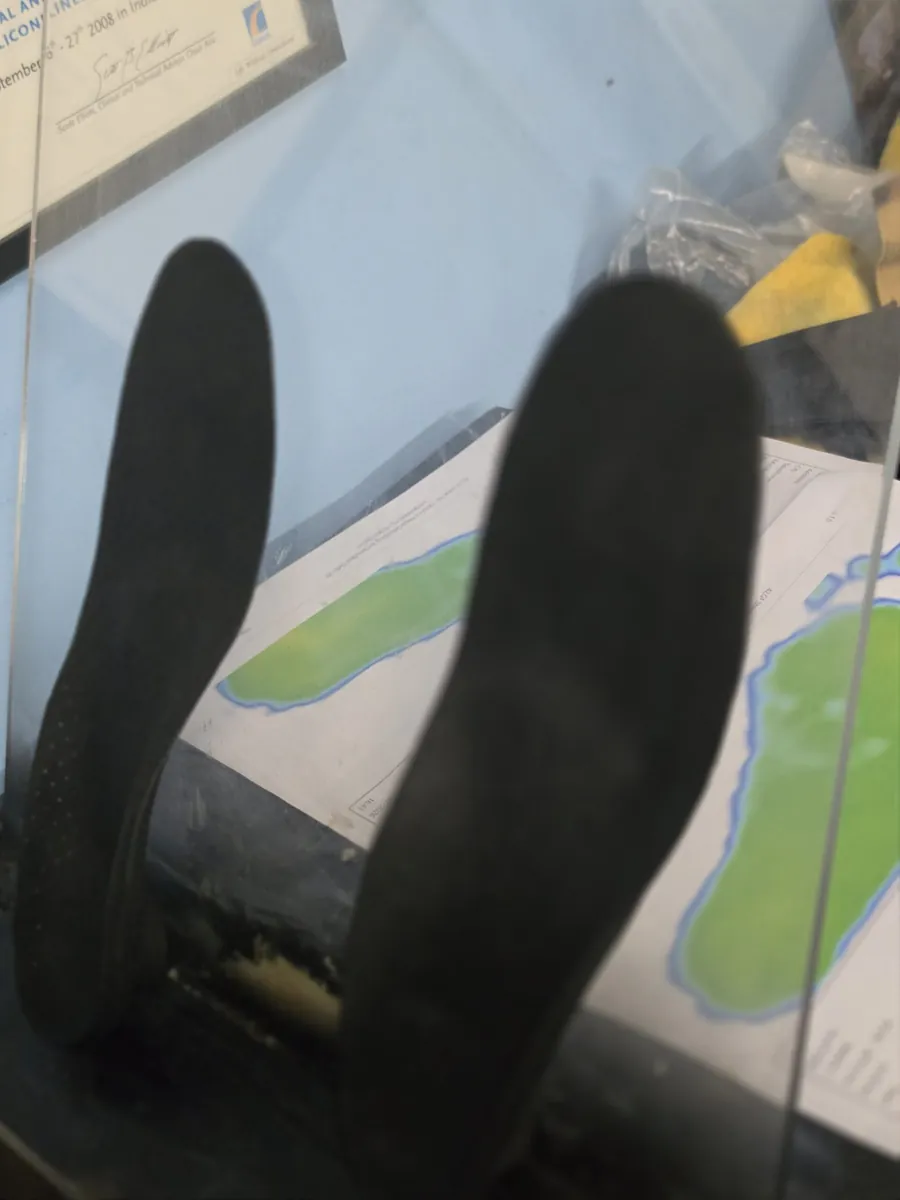
Plantar fasciitis is one of the most common causes of heel pain we see at P.O.R.C. People describe a sharp, stabbing pain under the heel with their first steps out of bed, which eases a little as they move and then returns after a long day of standing or walking. It affects office workers who have started morning walks, teachers, shopkeepers, runners, homemakers and people who have recently gained weight.
This article explains how we use Materialise Footscan pressure analysis and PHITS 3D-printed insoles as part of plantar fasciitis care in Delhi, and what else matters for recovery.
What is plantar fasciitis?
The plantar fascia is a strong band of tissue running from the heel bone to the base of the toes. It supports the arch and acts like a spring as you walk. When it is overloaded repeatedly, the tissue near the heel becomes irritated and painful.
Common contributing factors include:
- A sudden increase in walking, running or standing
- Tight calf muscles and Achilles tendon
- Flat, unsupportive or worn-out shoes, and walking barefoot on hard floors
- Very flat or very high arches
- Weight gain
- Long hours standing on hard surfaces
Plantar fasciitis is a clinical diagnosis made by a doctor or physiotherapist. Other conditions can cause similar heel pain, including stress fractures, nerve irritation and fat-pad problems. If your heel pain followed an injury, or you have swelling, numbness or night pain, please see a doctor first.
What the Footscan shows
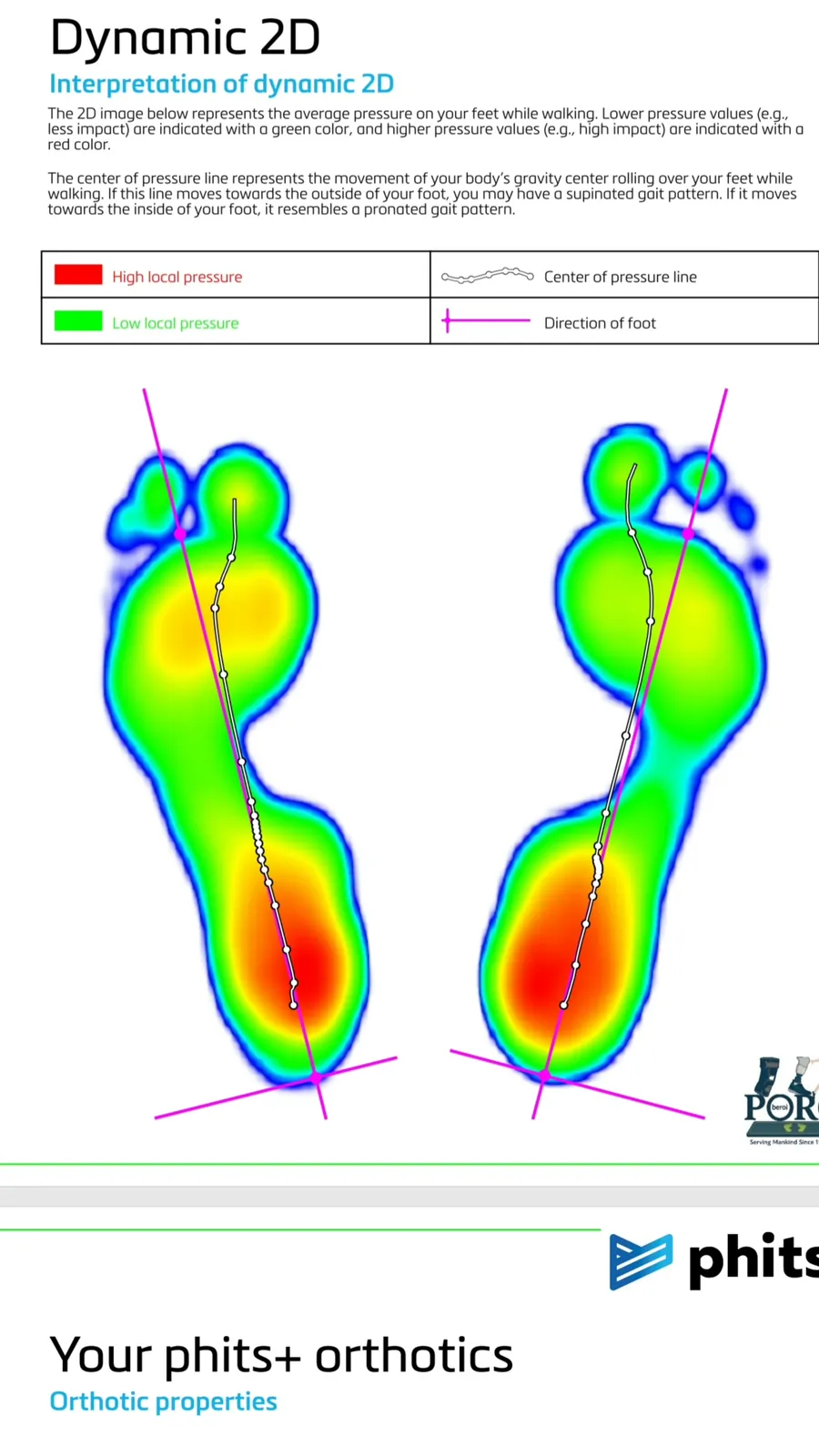
At our Safdarjung Enclave clinic, you walk across a Materialise Footscan pressure plate several times. The system records hundreds of pressure readings per second and builds a picture of how your foot loads:
- Peak pressures: red areas show where load is highest. Many plantar fascia patterns show a hot heel.
- Centre of pressure: the path your weight takes from heel to toe. Drifting toward the inside suggests more pronation; staying toward the outside suggests supination.
- Timing: how quickly the foot rolls from heel strike to push-off, and differences between left and right.
A foot scan is not a diagnosis. It cannot confirm plantar fasciitis. It gives us measurable information about how you walk, which we combine with a hands-on examination.
How PHITS insoles are designed for plantar fascia load
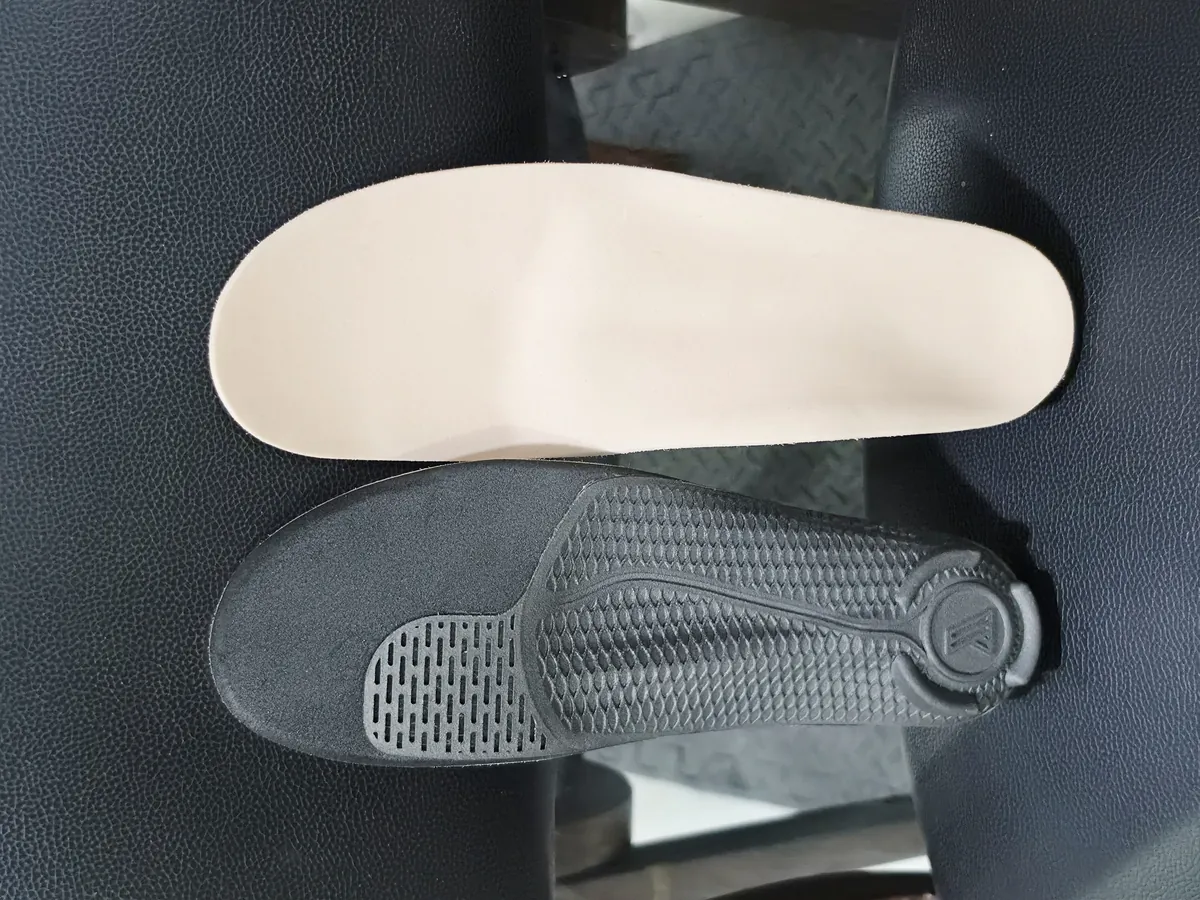
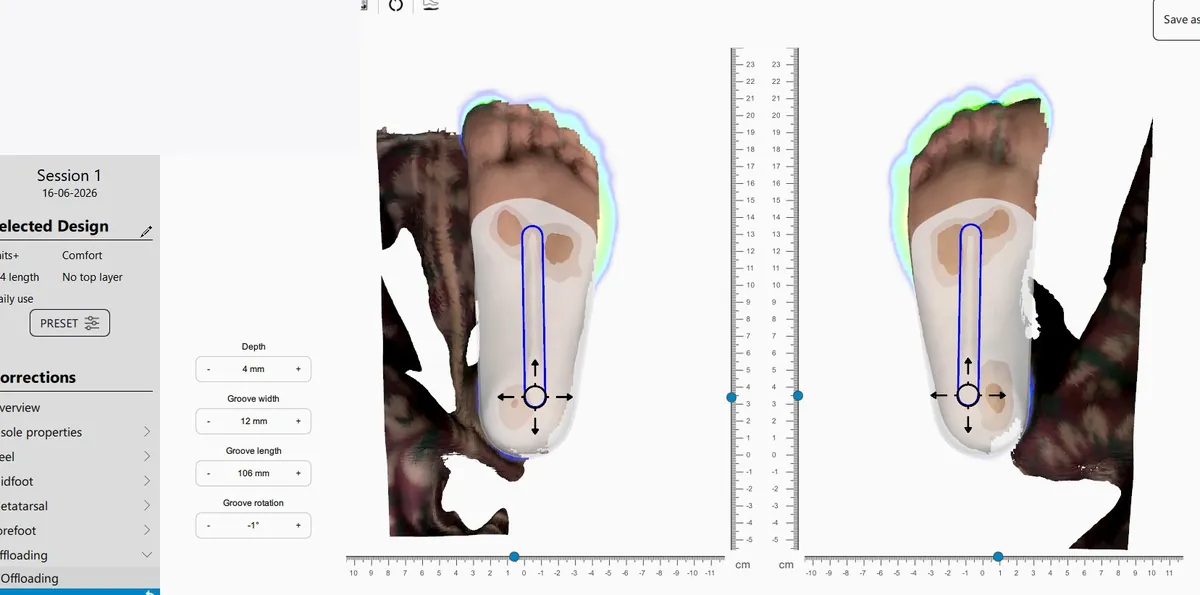
PHITS insoles are designed from your Footscan data and 3D-printed as a thin nylon base, with an EVA or PU top cover for comfort. The software suggests corrections from your walking data; the clinician then accepts, reduces or changes them based on the examination and your shoes.
For a plantar fasciitis pattern, the design often includes:
- Heel cushioning and a stable heel cup to reduce peak pressure under the heel
- A small heel raise, which can reduce stretch on the fascia and Achilles
- Navicular (arch) support tuned to slow arch collapse without forcing a high rigid arch
- Heel wedges if the heel rolls markedly in or out
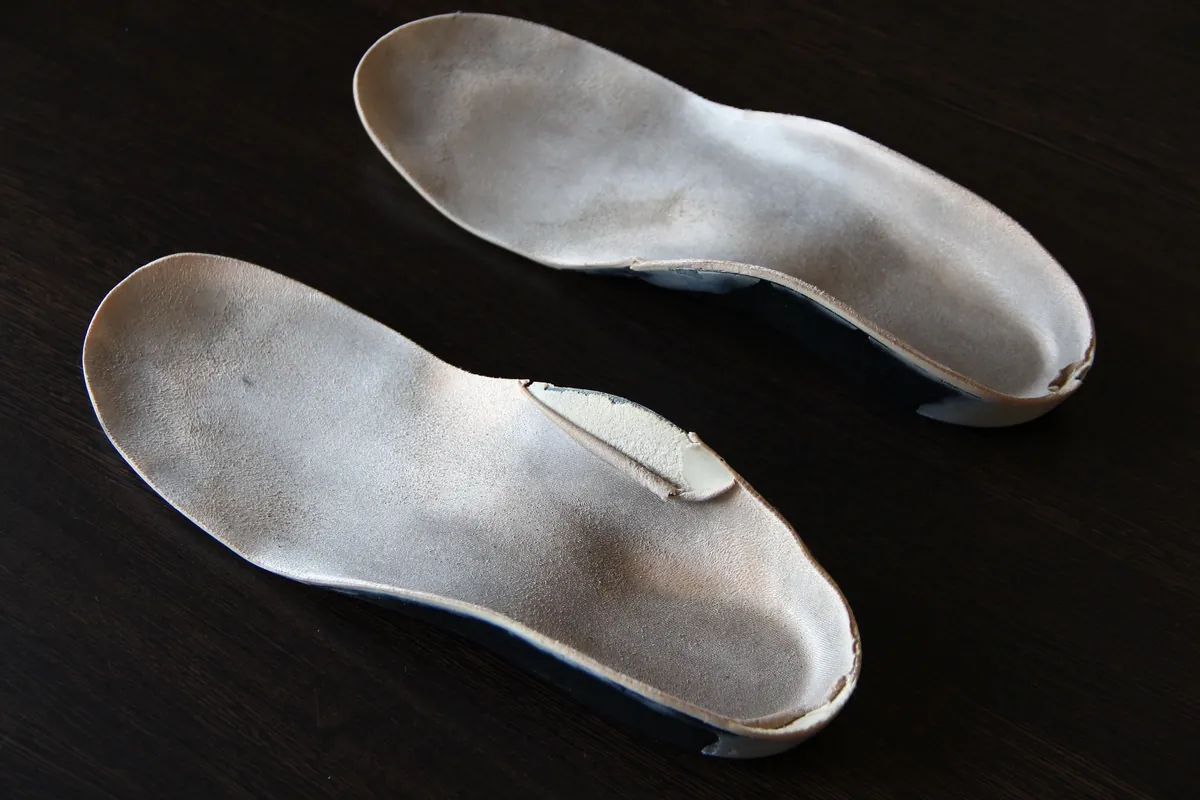
- Workshop modifications such as a plantar fascia groove or first-ray extension when indicated
We explain these in detail in how a Footscan guides plantar fasciitis insole modifications and PHITS insole modifications for common foot issues.
Insoles are one part of recovery
Insoles do not cure plantar fasciitis. Most people improve over weeks to months with a combination of:
- Calf and plantar fascia stretching, especially before the first steps in the morning
- Strengthening exercises guided by a physiotherapist
- Supportive footwear, and avoiding barefoot walking on hard floors
- Load management: temporarily reducing the activity that aggravates the pain
- Weight management, where relevant
- Other treatments your doctor may recommend
The insole's job is to change how pressure and motion are shared, so the fascia is not taking the same peak load on every step while it settles.
What to expect at P.O.R.C
- Consultation and examination (about 30 to 45 minutes including the scan).
- We show you the pressure map and explain the findings.
- The PHITS insole is designed and printed; the finished pair is fitted in your shoes.
- Wear them in gradually over one to two weeks.
- Follow-up to check comfort and progress.
Please bring the shoes you wear most, and any doctor's reports. Related reading: heel pain and Achilles tendonitis · PHITS vs TPU, PVC and EVA.
Book an assessment in Delhi NCR
Footscan and PHITS custom insoles are made from our Safdarjung Enclave clinic. You can also start with a consultation at our hospital desks; please call to confirm timings.
- P.O.R.C Safdarjung Enclave: 42 Ground Floor, Street No. 1, Opp. Baba Balak Nath Mandir, Krishna Nagar, New Delhi 110029 (Monday to Saturday, 10am to 7pm)
- P.O.R.C at Apollo Hospital, Sarita Vihar
- P.O.R.C at BLK-Max Super Speciality Hospital, Pusa Road
Call 9810006111 or WhatsApp 9811706111. Serving patients in Delhi NCR since 1988.