A bunion can make ordinary shoe shopping difficult. Custom orthotics may have a role in managing selected pressure or comfort problems, but an insole should not be sold as a way to reverse a bunion or permanently straighten the toe.
Begin with space around the toes
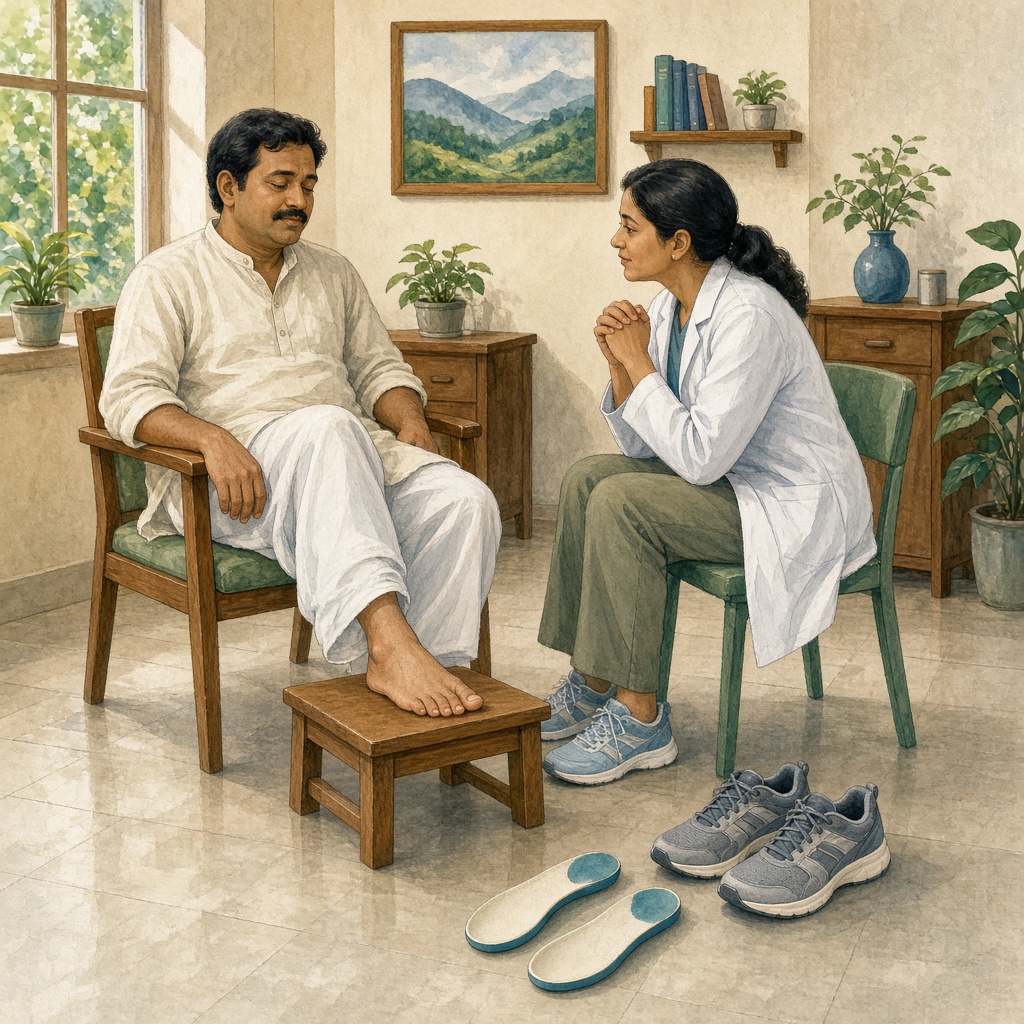
Tight or tapered footwear can rub the prominent joint and crowd the toes. Adding an orthotic to a shoe that is already narrow may make matters worse by reducing internal space. Check width and depth at the front of the shoe, not just its length. Bring a pair that becomes uncomfortable during a normal day. The clinician can examine the area, review movement and discuss which footwear changes are likely to be most practical.
Understand the limited role of support
For some people, a prescribed device may help redistribute load or support a more comfortable walking pattern. That is different from correcting the structural deformity. Footscan can add information about loading, but it does not determine whether surgery is needed or explain every source of joint pain. Toe spacers, pads and other products also need sensible selection and enough shoe space. More layers inside a tight shoe are not automatically protective.
Know when a medical review matters
Seek assessment for persistent joint pain, worsening difficulty walking, skin breakdown or rapidly changing symptoms. Redness, marked warmth, swelling or a wound should not simply be assumed to be normal bunion irritation. Diabetes, poor circulation or reduced sensation increase the need for a careful foot-health plan. The aim is a realistic conversation about comfort, function and options—not a promise that printing technology can erase a bony prominence.
Where Footscan and PHITS fit at P.O.R.C
P.O.R.C — Prosthetic & Orthotic Rehabilitation Clinic — has been serving since 1988. For people exploring custom insoles in Delhi, the clinic uses Footscan and PHITS 3D-printed insoles as part of an individual assessment pathway. A scan is not a diagnosis. It can add loading information to the clinical picture, but it does not by itself establish that you need an orthotic or predict the result.
If you are considering 3D printed orthotics in South Delhi or elsewhere in Delhi NCR, start with the problem you want help with rather than requesting a particular contour. Your symptoms, medical history, examination, footwear and activities help determine the next step. The team may discuss a prescribed device, simpler support, footwear changes, rehabilitation or a medical referral. Outcomes vary, and no insole should be presented as a guaranteed cure.
Read about Footscan and custom insoles before your visit. For local access, see Safdarjung Enclave. P.O.R.C also has branch information for Safdarjung Enclave, Apollo Sarita Vihar and BLK-Max. Confirm the appointment location and service arrangements with the clinic; a branch page is not a promise of walk-in availability.
Short FAQ
Will an orthotic straighten my bunion?
No. It may help selected loading or comfort issues, but it does not reverse the deformity.
Can a Footscan explain every cause of foot pain?
No. Pressure information is one part of an assessment. Some symptoms need medical examination or other investigations before an orthotic is considered.
What should I bring to a review?
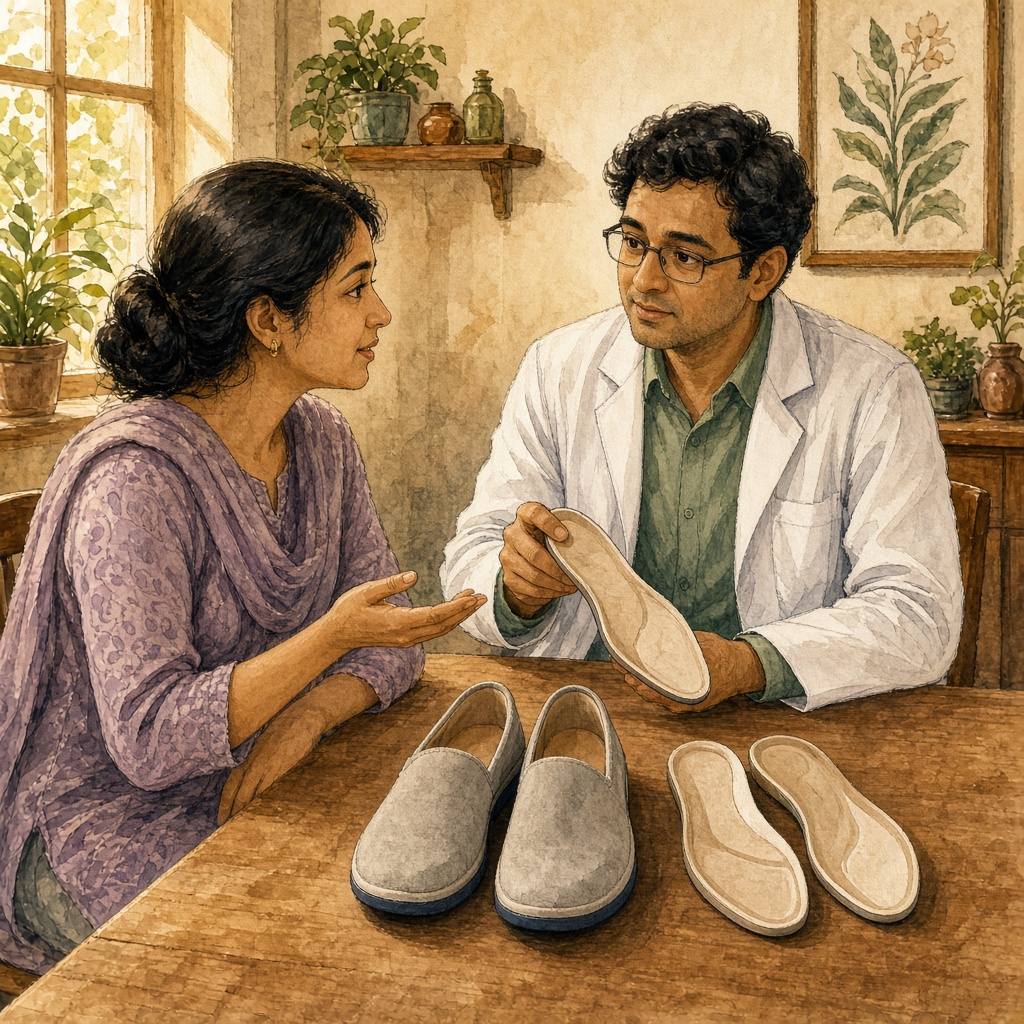
Bring the shoes and socks you actually use, your current inserts if any, relevant reports and a short account of your symptoms. Ask about the intended goal, alternatives, care instructions and follow-up before committing to a device.
This article is general education, not a diagnosis or personalised treatment advice. Seek prompt medical help for severe or sudden symptoms, a wound, or a hot swollen foot, especially with diabetes or reduced sensation.